
Hearing problems are not always about how loudly you hear sounds. Sometimes, the issue begins in the middle ear, where sound vibrations need to travel smoothly from the eardrum to the inner ear. If this pathway is affected by fluid, infection, pressure imbalance, or stiffness, you may experience symptoms such as blocked ears, muffled hearing, popping sounds, or hearing that seems to change from day to day.
Impedance audiometry is a quick and comfortable test that helps check how well the eardrum and middle ear are working. By measuring how the ear responds to gentle air pressure and sound, it helps identify common middle ear problems early, making it easier to guide the right care and treatment.
What Is Impedance Audiometry?
Impedance audiometry is an objective diagnostic test that evaluates middle ear function by measuring how the eardrum and middle ear system respond to sound and changes in air pressure. In simple terms, it checks whether the eardrum is moving freely and whether the pressure behind it is in a healthy range, both of which are essential for clear hearing.
You may also hear this test referred to as tympanometry or immittance audiometry. While these terms are sometimes used interchangeably, tympanometry is the core component that measures eardrum mobility, and impedance or immittance testing may also include acoustic reflex measurements to provide additional diagnostic information about middle ear and neural pathway function.
How the Middle Ear Works?
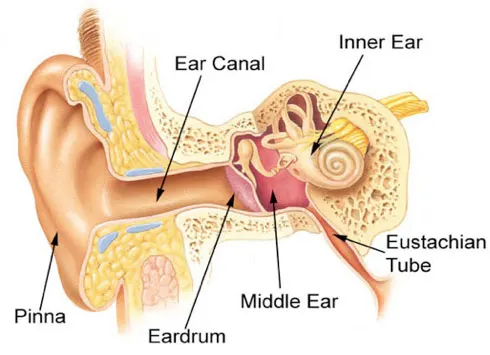
Image source: ENT Center
- Middle Ear Location & Role:
The middle ear is an air-filled space behind the eardrum that acts as a mechanical bridge between the outer ear and the inner ear. Its primary role is to efficiently transmit sound vibrations so they can be processed by the hearing nerve. - Tympanic Membrane (Eardrum):
Sound waves entering the ear canal strike the eardrum, causing it to vibrate. These vibrations represent the first mechanical step in sound transmission. - Ossicles (Malleus, Incus, Stapes):
Three tiny bones amplify and transfer the vibrations from the eardrum toward the inner ear. Any stiffness, fluid, or damage affecting these bones can reduce sound clarity and volume. - Oval Window Connection:
The stapes transmits vibrations into the inner ear through the oval window, allowing sound signals to move into the cochlea for processing. - Eustachian Tube Function:
This tube connects the middle ear to the throat and helps equalise air pressure on both sides of the eardrum while allowing normal fluid drainage. - Pressure Balance Importance:
Proper air pressure allows the eardrum to move freely. When pressure is imbalanced, the eardrum becomes less mobile, affecting hearing quality. - Common Disruptions:
Fluid accumulation, infection, inflammation, or pressure dysfunction can interfere with normal middle ear movement, leading to symptoms such as ear fullness, popping sensations, pain, or temporary hearing changes. - Why This Matters for Testing:
Impedance audiometry directly evaluates these mechanical movements and pressure changes, helping identify problems that may not be visible during routine ear examination.
What Problems Can Impedance Audiometry Detect?
Impedance audiometry helps identify a wide range of middle ear conditions that can affect hearing comfort and clarity. Many of these issues cannot be confirmed just by looking inside the ear or through a basic hearing test, which is why this test plays an important role in accurate diagnosis.
- Middle Ear Fluid (Otitis Media with Effusion):
Fluid trapped behind the eardrum can reduce its ability to move freely. This often causes muffled hearing, a feeling of blockage, or reduced hearing in children after colds or infections. - Eustachian Tube Dysfunction:
When the tube that balances ear pressure does not open properly, pressure builds up in the middle ear. This may lead to ear popping, discomfort, fullness, or temporary hearing changes, especially during travel or seasonal allergies. - Ear Infections:
Ongoing or recurring infections can affect eardrum movement and pressure balance. Impedance testing helps monitor healing and detect persistent issues that may require further care. - Stiff or Scarred Eardrum:
Previous infections, injury, or surgery can cause the eardrum to become less flexible, reducing sound transmission and affecting hearing quality. - Ossicular Chain Problems:
The tiny bones inside the middle ear may become stiff or disrupted, limiting how efficiently sound vibrations travel toward the inner ear. - Hidden Middle Ear Problems in Children:
Children may not always express hearing difficulties clearly. Impedance audiometry helps detect silent fluid buildup or pressure problems that can affect speech and learning. - Follow-Up After Treatment or Surgery:
The test helps confirm whether the middle ear has returned to normal function after medical or surgical treatment.
Overall, this test provides valuable clarity when symptoms persist, repeat frequently, or do not have an obvious cause.
How Does Impedance Audiometry Work?
Impedance audiometry works by gently checking how your eardrum reacts to small changes in air pressure and sound. A soft probe is placed in the ear canal, creating a light seal. The device then sends controlled air pressure and a tone into the ear and measures how much sound is reflected back. This reflection tells us how freely the eardrum and middle ear structures are moving.
- Probe Placement:
A small, soft probe is inserted into the ear canal. It does not go deep and remains comfortable for most people. - Pressure Changes:
The device slowly changes air pressure inside the ear canal. This helps evaluate how flexible the eardrum is under different pressure conditions. - Sound Measurement:
A gentle sound tone is played, and sensors measure how the sound bounces back from the eardrum. Healthy ears reflect sound differently than ears affected by fluid or stiffness. - Data Recording:
The machine converts these measurements into a graph called a tympanogram, which shows how the eardrum moves at different pressure levels. - Objective Testing:
The test does not depend on your response or feedback, making it accurate for children, seniors, and individuals who may find regular hearing tests difficult.
Because the process is quick, painless, and safe, impedance audiometry can be used as a routine diagnostic tool as well as for follow-up monitoring.

Why Is Tympanometry an Important Part of Your Hearing Test?
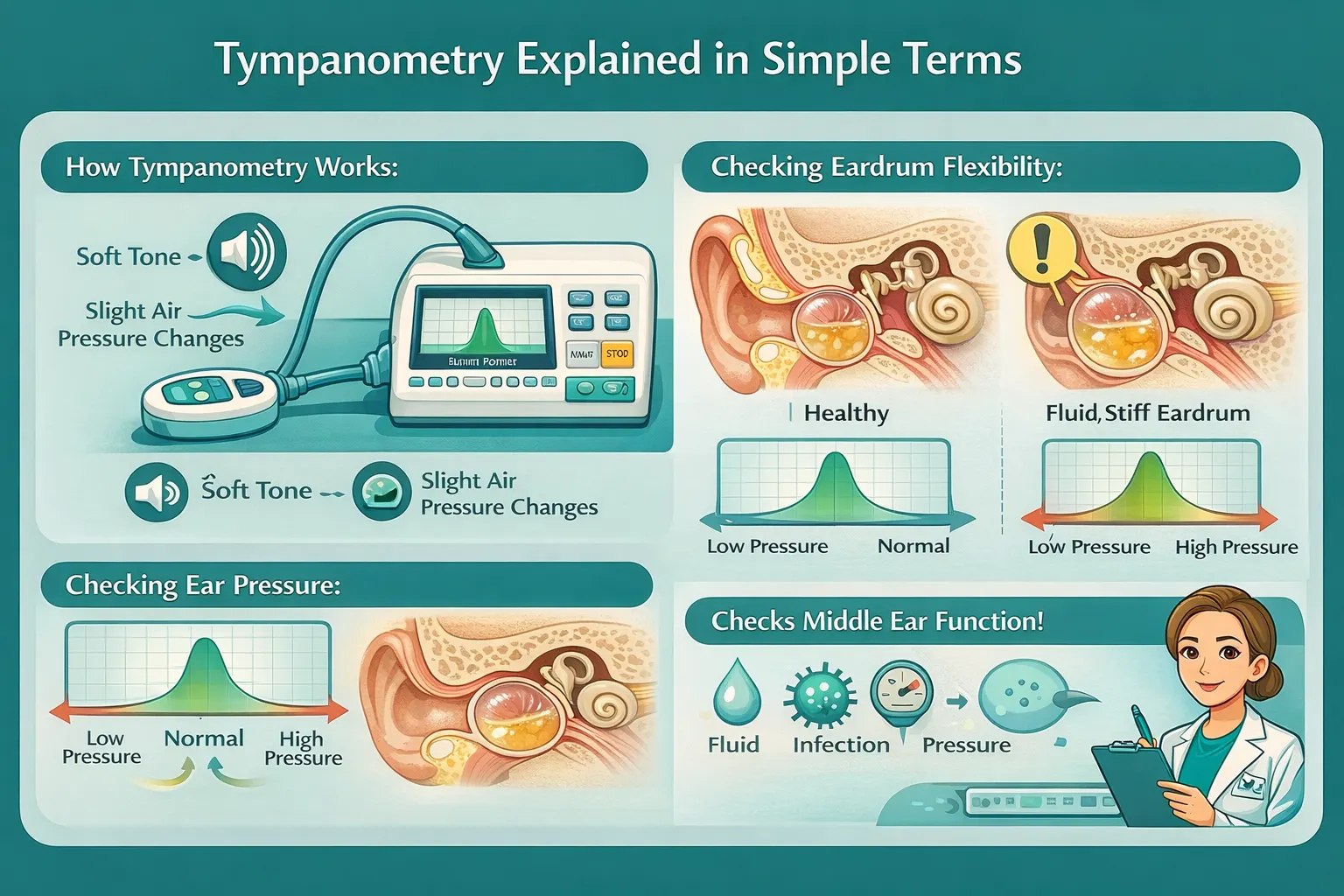
Tympanometry is the main part of an impedance audiometry test. It helps check how easily your eardrum moves and whether the air pressure inside your ear is balanced. These two things are very important for comfortable hearing and clear sound.
- What Happens During Tympanometry:
A small probe gently sits in the ear and changes air pressure slightly while playing a soft tone. The machine measures how the eardrum responds to these changes. - What the Graph Shows:
The test creates a simple graph that shows how well the eardrum moves. When the eardrum moves freely, it usually means the middle ear is healthy and working properly. - Checking Eardrum Flexibility:
If the eardrum feels stiff or doesn’t move much, it may point to fluid, infection, or previous irritation inside the ear. - Understanding Ear Pressure:
The test also shows whether the pressure inside the ear is normal. Unbalanced pressure can cause discomfort, blocked sensation, or hearing that feels different. - Why This Information Helps:
These results help hearing professionals understand what may be causing your symptoms and guide the next steps, whether that’s simple monitoring, medical advice, or further testing.
Overall, tympanometry gives a quick and gentle snapshot of how well your ear is functioning behind the scenes.
Acoustic Reflex Testing: Why Does It Matters?
Along with tympanometry, impedance audiometry may also include a small additional check called acoustic reflex testing. This simply looks at how a tiny muscle inside the ear reacts when it hears a louder sound. It happens automatically and you don’t need to do anything during the test.
- How the Reflex Works:
When a loud sound enters the ear, a small muscle tightens slightly to protect the inner ear. This natural reaction helps control sound flow and keeps the hearing system balanced. - What the Test Tells Us:
By observing this reflex, hearing professionals can better understand how sound signals travel through the ear and whether the middle ear system is responding normally. - Why It’s Helpful:
Acoustic reflex testing adds extra confidence to the results of impedance audiometry. It helps confirm whether the middle ear and sound pathways are working as expected. - Comfort and Safety:
The sounds used are brief and safe. Most people simply hear a few short tones and feel no discomfort.
This part of the test supports clearer interpretation and helps build a more complete picture of ear function without adding time or discomfort to the appointment.
Step-by-Step Tympanometry Test Procedure
One of the biggest concerns people have before any ear test is whether it will be uncomfortable or complicated. Tympanometry is a simple, quick, and comfortable procedure that can be done for both adults and children.
- Before the Test:
No special preparation is needed. You can eat, drink, and take your regular medications as usual. If you have heavy earwax or active ear pain, the hearing professional may check your ears first. - Getting Seated Comfortably:
You’ll sit in a quiet room while the audiologist gently places a small probe into your ear. The probe fits snugly but does not go deep inside the ear. - Pressure Changes and Sounds:
You may feel mild pressure changes, similar to what you feel during a flight or elevator ride. You will also hear a few soft tones during the test. - Staying Still:
It’s best to remain still, avoid talking, chewing, or swallowing for a few seconds so the machine can capture accurate readings. - How Long It Takes:
Each ear usually takes less than one minute to test, and the full appointment typically lasts only a few minutes. - After the Test:
There are no restrictions afterward. You can return to your normal activities immediately, and the results are available right away.
Understanding Impedance Audiometry Interpretation
After the test is completed, the machine generates a simple graph that shows how your eardrum responded to the pressure changes and sound. This helps the hearing professional understand whether the middle ear is working normally or if there may be something affecting its movement.
You may hear the results described using three common patterns:
- Type A – Normal Movement:
This result usually means the eardrum is moving well and the air pressure inside the ear is balanced. It suggests that the middle ear is functioning as expected. - Type B – Limited Movement:
A flat-looking result often means the eardrum is not moving freely. This can happen when there is fluid behind the eardrum, heavy blockage, or stiffness in the ear. - Type C – Pressure Imbalance:
This pattern shows that the pressure inside the ear is lower than normal. It may be linked to Eustachian tube issues, recent colds, allergies, or sinus congestion.
It’s important to remember that these patterns are only part of the picture. Your symptoms, ear examination, and other hearing tests are also considered before any conclusions are made. A trained hearing professional explains what the results mean for you personally and whether any follow-up care is needed.
Impedance Audiometry vs Other Hearing Tests
Different hearing tests look at different parts of the hearing system. Understanding how impedance audiometry fits in can help you see why it is often used alongside other tests rather than on its own.
- Pure Tone Hearing Test:
This test checks how softly you can hear different sounds and helps identify hearing loss. It tells us how well the ears and brain detect sound, but it doesn’t explain what may be happening inside the middle ear. - Otoacoustic Emissions (OAE):
This test looks at how the inner ear responds to sound and is commonly used for newborns and quick screenings. It focuses on inner ear health rather than middle ear movement. - Brain Response Tests (ABR):
These tests measure how sound signals travel from the ear to the brain. They are usually used when deeper evaluation is needed. - Impedance Audiometry:
This test focuses on how the eardrum and middle ear structures move and how air pressure is balanced inside the ear. It helps identify fluid, pressure issues, and movement restrictions that other tests may not detect.
Each test plays a different role. When combined, they give a clearer and more complete understanding of your hearing health.
| Test Type | What It Checks | Best Used For |
|---|---|---|
| Impedance Audiometry | Middle ear movement and pressure | Detecting middle ear issues |
| Pure Tone Test | Hearing sensitivity | Detecting hearing loss |
| OAE | Inner ear response | Screening and early checks |
| ABR | Sound pathways to the brain | Detailed nerve evaluation |
Who Should Consider an Impedance Test?
An impedance test is helpful for anyone experiencing ear-related symptoms that may be linked to how the middle ear is functioning. It is commonly recommended when hearing concerns are unclear, recurring, or affecting daily comfort.
- People with Blocked or Full Ears:
If your ears often feel clogged, pressured, or uncomfortable, this test can help identify pressure imbalance or fluid buildup. - Children with Speech or Learning Delays:
Undetected middle ear issues can affect how clearly children hear speech, which may impact language development and classroom performance. - Individuals with Frequent Ear Infections:
Repeated infections can leave fluid or stiffness behind the eardrum, even after pain has settled. - Adults Experiencing Fluctuating Hearing:
Hearing that changes from day to day may be related to pressure problems inside the ear rather than permanent hearing loss. - People with Ear Pain, Popping, or Discomfort:
These symptoms are often linked to pressure imbalance or Eustachian tube issues. - Follow-Up After Treatment or Surgery:
The test helps confirm whether the middle ear has returned to normal function. - Hearing Aid Users with Ongoing Ear Concerns:
Middle ear health can influence comfort and sound clarity when using hearing devices.
This test provides useful clarity when symptoms don’t have an obvious explanation or keep returning.

Benefits of Early Middle Ear Diagnosis
Identifying middle ear problems early can make a meaningful difference in comfort, hearing quality, and long-term ear health. Simple testing at the right time often prevents small issues from becoming bigger concerns.
- Prevents Ongoing Discomfort:
Early detection helps address pressure problems, fluid buildup, or irritation before they cause persistent pain or blockage. - Supports Better Hearing Clarity:
When the middle ear is working properly, sound travels more smoothly, improving everyday listening and communication. - Reduces the Risk of Repeated Infections:
Treating underlying issues early may help prevent frequent infections or long-term ear irritation. - Avoids Unnecessary Medication or Delays:
Clear test results guide the right care instead of guesswork or repeated treatments. - Protects Children’s Speech and Learning Development:
Healthy hearing supports language growth, classroom focus, and confidence in young children. - Improves Overall Quality of Life:
Better hearing comfort allows people to stay active, social, and engaged in daily life.
Early testing provides peace of mind and helps maintain long-term hearing wellness.
Tympanometry Test Price & Cost Considerations in India
When you’re considering a hearing test like impedance audiometry or tympanometry, understanding cost can help you plan better and feel more confident about the process. Pricing varies depending on the clinic, location, and whether additional tests are included.
| Factor | Details |
|---|---|
| Typical Price Range (India) | Tympanometry / Impedance Audiometry usually costs ₹800 – ₹2,000. This typically includes the test + basic interpretation by a trained professional. |
| What Influences the Price? | • Clinic location (metro vs tier-2 city) • Equipment quality & calibration standards • Whether add-on tests (acoustic reflex/hearing test) are included • Audiologist expertise & reporting detail |
| Package vs Single Test | Many clinics offer bundled packages including Pure Tone Audiometry + Tympanometry, which often gives better value and more clarity than doing only one test. |
| Value Over Cost | Prefer a clinic with trained professionals and calibrated equipment. A slightly higher fee often means more accurate diagnosis and better guidance, reducing repeat visits. |
| Insurance & Reimbursement | Some health plans may cover diagnostic audiology tests. Check your insurance policy for ENT or audiometry coverage before booking. |
Understanding typical pricing helps you make smarter choices without guesswork or surprises.
When Should You Consult an ENT Specialist?
In many cases, hearing care professionals can guide you based on your test results and symptoms. However, there are certain situations where seeing an ENT specialist becomes important for further evaluation or treatment.
- Persistent Ear Pain or Discomfort:
If pain continues despite basic care or keeps returning, it may need medical assessment. - Ongoing Hearing Changes:
Sudden or worsening hearing loss, or hearing that does not improve after treatment, should be checked promptly. - Repeated Ear Infections:
Frequent infections may require deeper evaluation to prevent long-term issues. - Abnormal Test Results:
If impedance or tympanometry results show significant abnormalities, an ENT doctor can determine the next steps. - Fluid or Discharge from the Ear:
Any ongoing drainage or unusual discharge should be medically reviewed. - Balance Problems or Dizziness:
Persistent dizziness along with ear symptoms should not be ignored.
Early consultation helps ensure the right care is provided at the right time and prevents complications from developing.
Why Patients Trust Anand Hearing Care for Their Hearing Needs?
At Anand Hearing Care, our focus is on helping people hear better, feel comfortable, and make confident decisions about their hearing health. We believe good hearing care begins with listening to our patients, explaining things clearly, and offering guidance that feels supportive rather than overwhelming.
- Experienced Hearing Professionals:
Our team performs accurate testing and explains results in a way that’s easy to understand. - Modern Diagnostic Equipment:
We maintain calibrated, reliable technology to ensure consistent and dependable results. - Comfort-Focused Clinic Environment:
Our clinic is designed to keep both adults and children relaxed during their visit. - Clear, Honest Guidance:
We avoid confusing jargon and focus on practical next steps tailored to each person. - Complete Hearing Care Support:
From testing and counselling to hearing aid solutions and follow-ups, we support every stage of hearing care.
Our goal is to build long-term trust and help families maintain better hearing with confidence and clarity.
 |
 |
Conclusion
Understanding how your ears work can make a big difference in protecting your hearing and overall comfort. Impedance audiometry offers a simple and reliable way to check how well the middle ear is functioning, helping identify common issues such as pressure imbalance, fluid buildup, or movement restrictions that may affect hearing quality. Because the test is quick, comfortable, and suitable for all age groups, it provides valuable clarity when symptoms are unclear or keep returning. Paying attention to early signs and getting the right assessment at the right time helps support better hearing, smoother recovery, and long-term ear health for everyday life.
Frequently Asked Questions
Q1. Is impedance audiometry painful or uncomfortable?
No. Impedance audiometry is a quick and painless test. You may feel a mild pressure change in the ear (similar to a flight or elevator), but it is generally very comfortable for both adults and children.
Q2. How long does a tympanometry (impedance) test take?
The test is very fast. Usually, each ear takes less than 1 minute, and the full procedure is completed within a few minutes. Results are available immediately after the test.
Q3. What does a Type B tympanogram mean?
A Type B (flat) tympanogram often suggests that the eardrum is not moving freely. This can happen due to fluid behind the eardrum, middle ear infection, heavy blockage, or stiffness in the middle ear system. Your audiologist will correlate it with symptoms and other tests.
Q4. Can impedance audiometry detect hearing loss?
Impedance audiometry does not measure hearing ability directly. It checks middle ear movement and pressure balance. To confirm hearing loss and understand its severity, it is usually combined with Pure Tone Audiometry (PTA) and other hearing tests.
Q5. Who should get impedance audiometry done?
This test is recommended if you have symptoms like blocked ears, muffled hearing, popping sounds, frequent ear infections, ear discomfort, or hearing that changes from day to day. It is also commonly advised for children with speech or learning delays and for follow-up after middle ear treatment.